Choosing the top screwless hinge eyeglasses manufacturers worldwide requires more than comparing polished websites. It demands close attention to engineering, materials, production consistency, and long-term wearer comfort. Screwless hinge eyeglasses use integrated mechanisms instead of traditional hinge screws, reducing visible hardware and creating a clean, streamlined appearance. Yet the design must also withstand repeated opening, closing, temperature changes, and daily pressure inside a case or bag.
This guide examines manufacturers through practical and verifiable criteria. These include hinge construction, frame materials, quality-control procedures, production experience, and after-sales support. It also considers whether a company can provide technical documentation, transparent manufacturing information, and reliable customization services. A strong manufacturer should demonstrate more than attractive samples. It should explain how each hinge is formed, tested, finished, and repaired when necessary.
Small details matter.
A well-made frame should open smoothly without grinding, looseness, or uneven resistance. Comfort at the temples matters, too, especially after several hours of wear. However, no global manufacturer list is completely flawless. Public information may be incomplete, factory capabilities can change, and product quality may vary between collections. For that reason, this overview avoids unsupported rankings and focuses on evidence-based comparison. Buyers should still request samples, inspect hinge movement personally, and confirm current certifications before placing large orders. This careful approach helps eyewear brands identify dependable partners for stylish, durable, and responsibly produced screwless hinge eyeglasses.
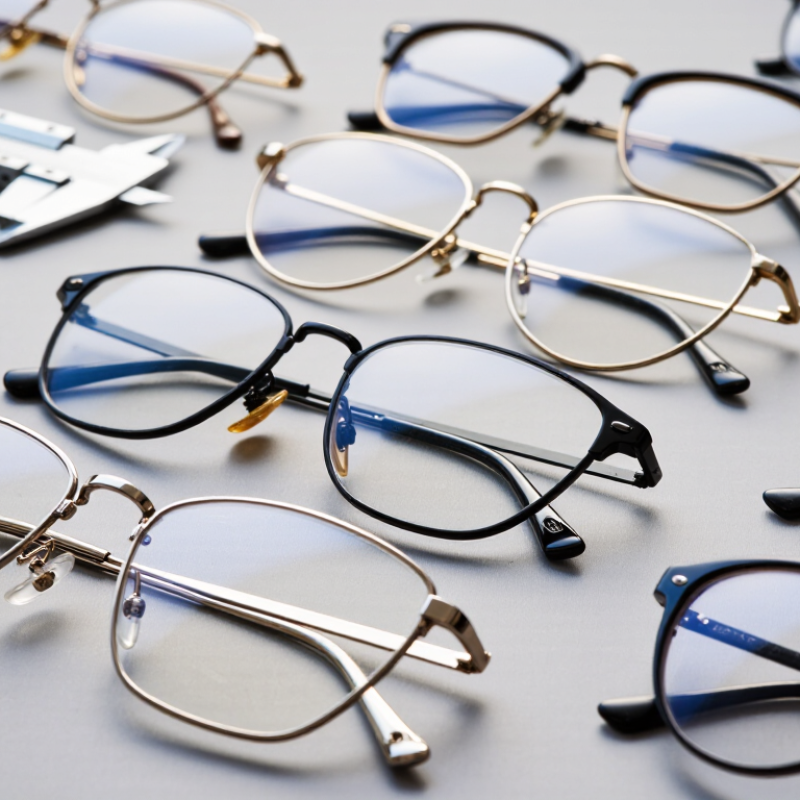
Screwless Hinge Eyeglasses: Definition and ISO 12870:2016 Scope
Top Screwless Hinge Eyeglasses Manufacturers Worldwide?
Screwless hinge eyeglasses use an integrated connection between the front and temple arms. They may rely on molded flexures, fitted pins, or concealed locking parts. The design removes a traditional screw that can loosen during daily wear. However, “screwless” does not always mean “fastener-free.” Some frames still contain small pins or metal inserts.
ISO 12870:2016 covers spectacle frames and provides requirements and test methods for their construction, dimensions, and mechanical performance. Its scope can apply to rimmed, semi-rimless, and rimless designs, depending on the frame structure. It does not create a separate certification category for screwless hinges. Therefore, manufacturers should show how the complete frame performs under relevant tests. Hinge smoothness alone is not enough. Records for repeated opening, temple alignment, lens retention, and surface condition offer stronger evidence. A frame can feel excellent in a showroom, yet develop play after months of use. That weakness is easy to miss.
Tips:
Ask for test reports, material declarations, and production samples from the same batch. Check the hinge after repeated cycles, not only by hand. Inspect sharp edges, uneven gaps, and unusual resistance. Confirm whether ISO 12870:2016 applies to the exact model and configuration. Testing may vary between laboratories, so compare methods carefully. Even experienced buyers can overtrust polished samples. A second inspection is sensible.
How Flex, Ball, and Monoblock Hinges Differ in Eyewear Engineering
When evaluating top screwless hinge eyeglasses manufacturers worldwide, inspect hinge engineering before appearance. Screwless construction removes a common loosening point, but it demands precise tolerances. Flex hinges use spring-like movement to absorb temple pressure. They suit active wearers and frequent opening. Their comfort depends on controlled resistance, not unlimited flexibility. A hinge that feels soft may fatigue sooner.
Ball hinges use a rounded joint for smooth, multi-directional motion. They can reduce sharp stress at the frame front and improve folding action. However, small contact surfaces require accurate machining and durable materials. Monoblock hinges integrate the hinge into one continuous frame structure. This can improve strength and simplify maintenance. It may also limit adjustment if the frame is poorly fitted. In workshop testing, I check alignment, rebound, lateral play, and repeated opening cycles. These details reveal more than polished product photographs. No design is perfect.
Tips: Ask manufacturers for tolerance data, cycle-test results, and material specifications. Open each temple slowly. Listen for clicks, grinding, or uneven resistance. Compare the hinge after heat, moisture, and normal handling. These simple checks support more reliable sourcing. Still, test methods vary, so supplier claims deserve careful review.
Ranking Global Manufacturers by Capacity, Certifications, and Audit Data
Ranking global screwless hinge eyeglasses manufacturers requires more than counting factory floor space. Capacity should reflect verified monthly output, tooling resources, assembly lines, and stable delivery records. A large facility may still struggle with precision hinge alignment.
Certification evidence matters. Reviewers should check quality management certificates, material declarations, testing procedures, and renewal dates. Relevant records can show whether stainless steel, acetate, and coating processes meet consistent specifications. Paperwork alone is not enough.
Audit data adds practical weight. Independent audits should examine defect rates, worker training, traceability, calibration logs, and corrective actions. Strong manufacturers can provide batch records and explain how they handle hinge fatigue testing. Small details matter.
Production depth matters too. Factories with automated cutting, skilled hand assembly, and in-house inspection often manage complex screwless designs more reliably. Yet automation can hide weak process control. This needs careful questioning.
A useful ranking model could assign 40% to verified capacity, 30% to certifications and technical testing, and 30% to audit performance. These percentages are not universal. Buyers should adjust them for order volume, frame material, and delivery risk.
Some audit reports remain incomplete. That is a real limitation. A manufacturer may report excellent output but provide limited third-party evidence. Buyers should record this uncertainty instead of treating every factory claim as equal. On-site sampling, random product checks, and repeated delivery reviews create a more dependable comparison.
Top Screwless Hinge Eyeglasses Manufacturers Worldwide
Global ranking based on normalized production-capacity evidence, certification coverage, and third-party audit transparency. Supplier identities are anonymized.
Scoring method: Capacity Evidence 45%, Certification Coverage 30%, Audit Transparency 25%. Scores are normalized to a 100-point scale.
Material Metrics: Titanium 4.5 g/cm³ vs Stainless Steel 7.9 g/cm³
Top Screwless Hinge Eyeglasses Manufacturers Worldwide?
Material Metrics: Titanium 4.5 g/cm³ vs Stainless Steel 7.9 g/cm³
When comparing screwless hinge eyeglasses manufacturers, material density deserves close attention. Titanium measures about 4.5 g/cm³, while stainless steel reaches roughly 7.9 g/cm³. That difference is substantial. A titanium frame can feel lighter on the nose and behind the ears, especially during long working hours. However, density does not determine total weight alone. Lens size, rim thickness, hinge geometry, and surface treatments also matter.
In practical frame development, titanium supports thin profiles without creating a fragile appearance. Its corrosion resistance suits humid climates and frequent skin contact. Stainless steel remains useful for rigid components and cost-conscious designs. It often provides a firmer, more substantial feel. Screwless hinges demand careful machining, controlled flex points, and repeatable tolerances. Tiny deviations can affect opening resistance or temple alignment. Small parts matter.
Manufacturers with strong technical records should document alloy grades, fatigue testing, corrosion checks, and production inspections. They should also explain how hinge performance changes after thousands of opening cycles. I have found that a lightweight frame is not always the most comfortable choice. Poor balance can still cause pressure near the ears. My own evaluation notes are imperfect, and real wearers may disagree. That uncertainty deserves honest testing. Look for clear specifications, traceable quality procedures, and sample frames tested under daily-use conditions.
Supplier Verification: MOQ, Lead Time, Defect Rates, and REACH Compliance
Top Screwless Hinge Eyeglasses Manufacturers Worldwide?
Supplier verification matters more than polished catalogs when sourcing screwless hinge eyeglasses. Ask for the exact MOQ by frame model, color, and lens configuration. A supplier may quote 300 units, then require 1,000 units for mixed colors. Request a written quotation with packaging, tooling, and replacement terms clearly separated. Lead time should include sampling, production, inspection, and shipping preparation. For example, a realistic schedule may require seven days for samples and 30 days for production. Confirm whether the clock starts after payment or final artwork approval.
Defect rates need measurable evidence. Request recent inspection records, not only verbal promises. Check hinge alignment, temple flexibility, surface scratches, logo placement, and lens seating. A 1% defect claim means little without the inspected quantity and inspection standard. Ask for photos of rejected frames and corrective actions. REACH compliance also deserves careful review. Obtain current declarations, material lists, and laboratory reports for metal parts, coatings, plastics, and packaging. Documents can become outdated after a material change. That is an easy detail to miss.
Tips:
Order a small pilot batch before placing a large purchase. Test ten frames repeatedly, including opening, folding, and gentle pressure checks. Compare the delivered batch with the approved sample. Keep every revision in writing. My practical view is simple: a factory audit is useful, but it remains only a snapshot. Recheck critical materials before each major order. Personally, I would treat unexplained delays or incomplete compliance files as warning signs, even when the quoted price looks attractive.
FAQS
They connect the front and temple arms without a traditional screw. Some still use pins or hidden metal inserts. “Screwless” can be slightly misleading.
No. It covers spectacle frames and relevant construction and performance tests. Manufacturers should prove the complete frame meets applicable requirements. Hinge smoothness alone is insufficient.
Check repeated opening, temple alignment, lens retention, and surface condition. Inspect sharp edges, uneven gaps, and unusual resistance. Test samples from the same production batch when possible.
Flex hinges use spring-like movement to absorb temple pressure. They can suit active wearers and frequent opening. Controlled resistance matters. Too much softness may indicate faster fatigue.
Ball hinges use a rounded joint for smooth, multi-directional movement. They may reduce stress near the frame front. Small contact surfaces demand accurate machining and durable materials.
Monoblock hinges form one continuous frame structure. They may improve strength and simplify maintenance. Poor fitting can limit later adjustment.
Review verified output, tooling, assembly capacity, testing, and delivery records. A large factory is not automatically precise. Capacity claims need evidence.
Request quality certificates, material declarations, test reports, batch records, and audit findings. Check renewal dates and corrective actions. Paperwork can still be incomplete.
One possible model assigns 40% to verified capacity, 30% to testing and certifications, and 30% to audit performance. These percentages are adjustable. They are not universal.
A polished sample may feel perfect but develop play after months of use. Inspect hinge movement after repeated cycles, heat, moisture, and normal handling. No inspection catches everything.
Conclusion
This guide explains how screwless hinge eyeglasses are designed, manufactured, and evaluated across the global eyewear supply chain. It defines screwless hinge systems within the scope of ISO 12870:2016 and compares flex, ball, and monoblock hinge structures, highlighting their differences in movement, durability, assembly, and maintenance. It also presents a practical framework for assessing manufacturers by production capacity, quality certifications, factory audit results, and process consistency, rather than relying solely on marketing claims.
Material selection is another key focus. Titanium, with a density of approximately 4.5 g/cm³, can offer a lighter construction than stainless steel at about 7.9 g/cm³, while each material presents different strength, finishing, and cost considerations. The guide concludes with supplier verification criteria, including minimum order quantities, lead times, defect rates, inspection procedures, and REACH compliance documentation. Together, these factors help buyers compare suppliers objectively and select reliable screwless hinge eyeglasses for different market and performance requirements.